
A New Era in Skincare Innovation
The skincare industry is transitioning from traditional cosmetic care to regenerative science — and at the center of this transformation stands one of the most advanced bioactive technologies today: Exosomes.
Once confined to medical and stem cell research, exosomes are now entering the beauty space as a cell-to-cell communication powerhouse, capable of boosting skin repair, rejuvenation, and regeneration at the biological level.
For forward-thinking beauty brands, exosome skincare represents a next-generation anti-aging strategy — where the focus shifts from treating symptoms to triggering the skin’s own renewal process.
What Are Exosomes and Why Are They Game-Changing?
Exosomes are microscopic extracellular vesicles secreted naturally by cells. They act as messengers, carrying growth factors, peptides, lipids, and genetic signals (mRNA, miRNA) that help cells communicate and repair tissue.
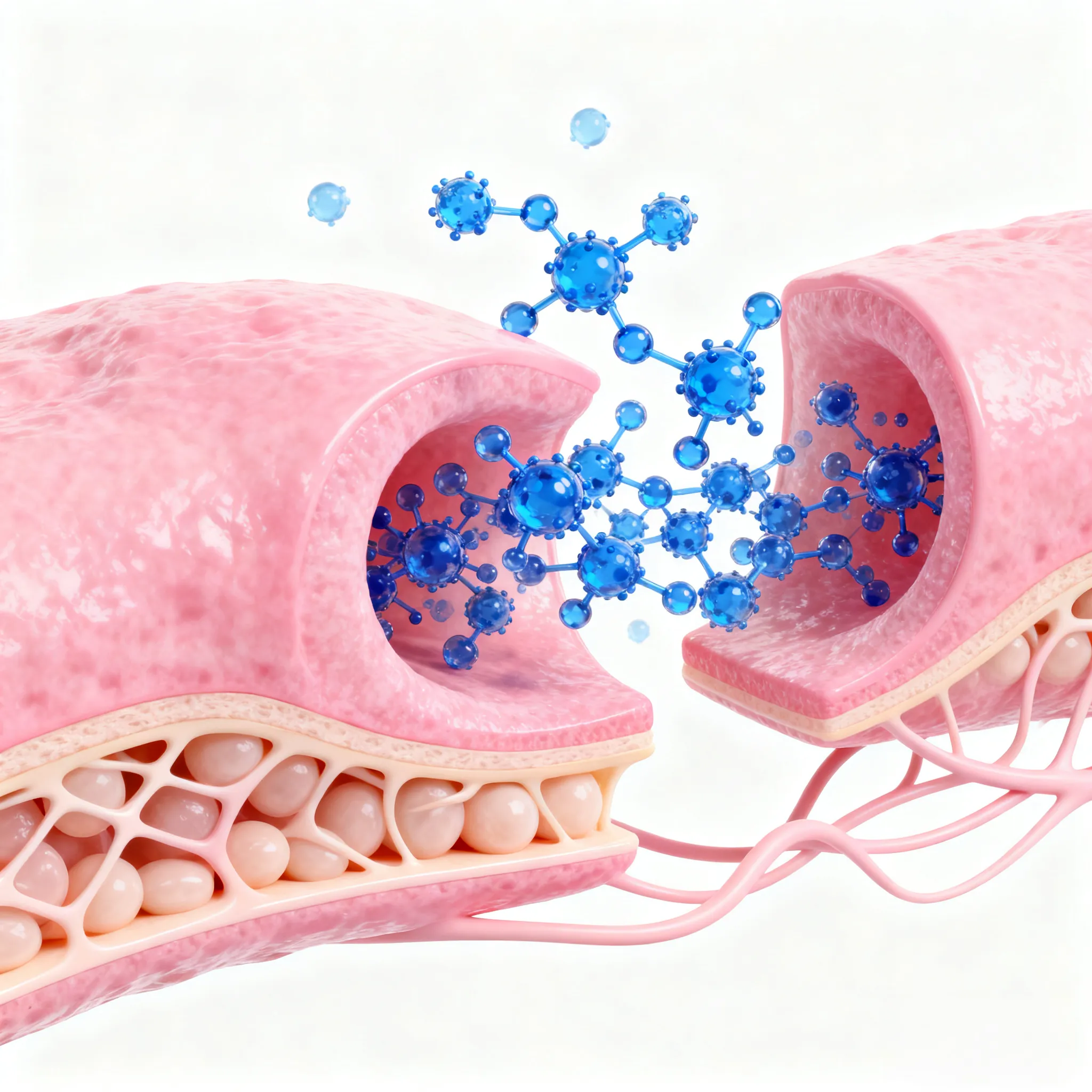
In skincare, exosomes derived from plant cells, stem cells, or biotech fermentation are used to:
- 1. llagen and elastin production
- 2. Calm inflammation and redness
- 3. Enhance wound healing and barrier function
- 4. Improve hydration and texture
- 5. Visibly reduce wrinkles and pigmentation
- 6. Simply put, exosomes act like intelligent “cell whisperers”, helping aging or damaged skin cells behave like younger ones.
Why Exosomes Are the Next Big Trend in Skincare
1. Rise of Regenerative & Biomedical Beauty
The global beauty industry is witnessing a shift from surface-level treatment to biological rejuvenation.
Consumers now seek products that activate natural repair processes — exosomes fit perfectly within this “regenerative beauty” movement.
2. Clinical Efficacy and Scientific Validation
Unlike many traditional actives, exosomes have peer-reviewed scientific studies supporting their regenerative capabilities. This data-driven credibility makes them a favorite among dermatologists and medical aestheticians.
3. Post-Procedure Skincare Boom
Exosome serums are becoming popular as post-laser, microneedling, and aesthetic recovery care, helping accelerate healing, reduce redness, and enhance treatment outcomes.
4. Luxury + Science Positioning
High-end brands are leveraging exosome technology to position themselves in the “medical-luxury skincare” category, appealing to affluent consumers seeking visible transformation.
5. Partnership Between Beauty & Biotech
Collaborations between cosmetic brands and biotech labs are accelerating. Many companies source exosome complexes from stem cell research or plant biotechnology suppliers, signaling a new era of cross-industry innovation.
Global Brands and Startups Embracing Exosome Technology
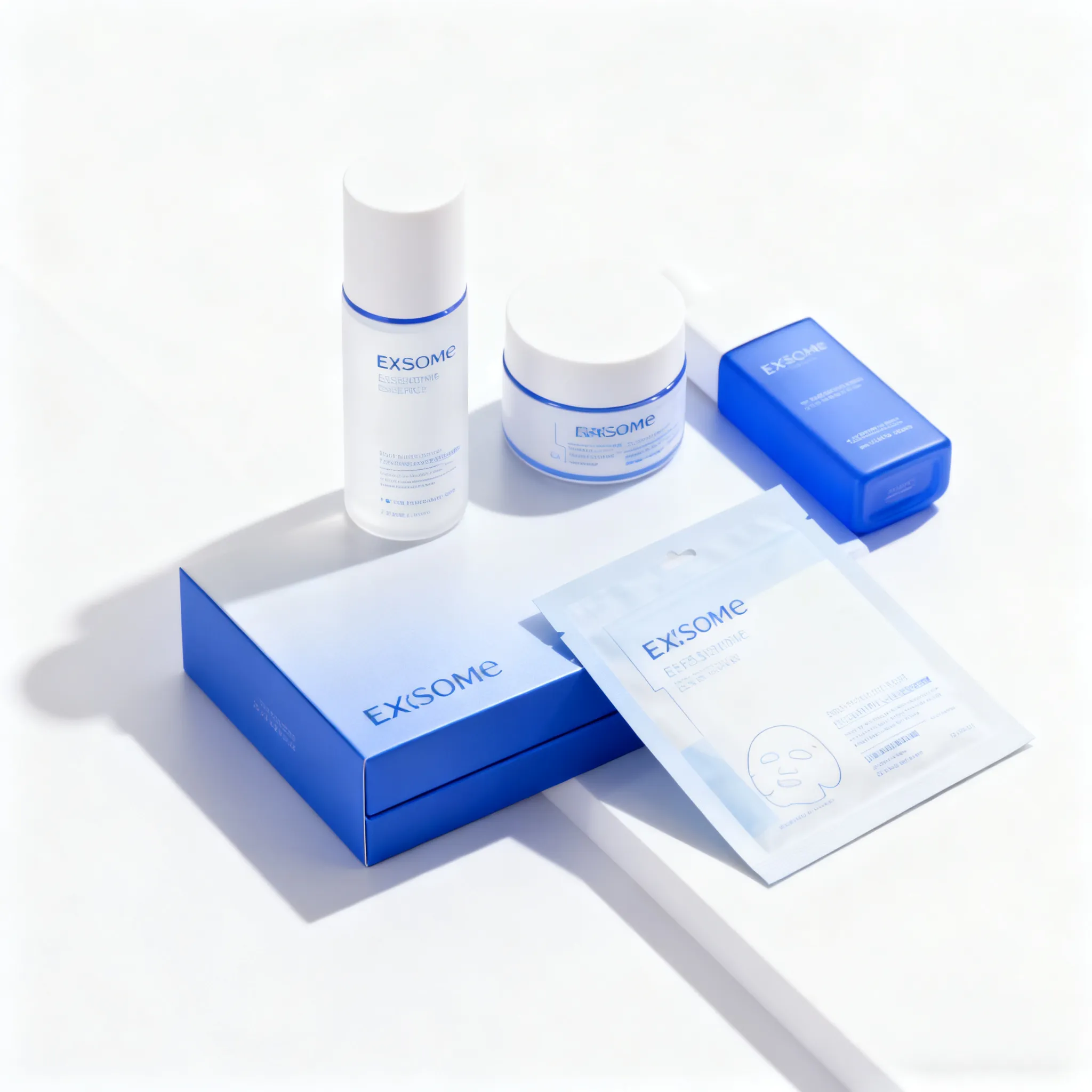
While exosome technology is still emerging, several pioneering brands are already commercializing it:
Benev (USA) – One of the first professional skincare brands to integrate Exosome Regenerative Complex (ERC) in dermatology clinics.
ExoCel Bio (USA) – Focuses on exosome-based post-procedure recovery serums used in aesthetic medicine.
Rion Aesthetics (USA) – Offers the ReveSkin EXO line, built around proprietary exosome delivery systems.
Neogenesis (USA) – Utilizes stem cell–derived exosomes to support repair and hydration in daily skincare.
ExoCoBio (South Korea) – A biotech pioneer developing ExoSCRT™ exosome technology now used by multiple K-beauty brands.
ELEVAI Skincare (USA) – Launched Elevai enfinity and empower serums featuring medical-grade exosomes.
AestheRx & AQ Skin Solutions – Incorporate exosomal-derived growth factors for skin regeneration and post-procedure care.
STL SKINCARE (China) – First Professional OEM skincare manufacturer to integrate Exosome Regenerative Complex (ERC) in skincare line.
➡️ Observation: Initially confined to medical aesthetic channels, exosomes are now moving into high-end consumer skincare — signaling rapid mainstream adoption.
Market Opportunities and Forecast
High Growth Potential:
The global exosome skincare market is projected to grow by >25% CAGR in the next five years, driven by medical spa integration and premium skincare lines.Consumer Education Is Key:
While awareness is low, social media and influencer dermatologists are accelerating the conversation.Regulatory Sensitivity:
Some regions (like the U.S. and EU) have specific rules on sourcing and labeling — brands must ensure compliance and safety validation.Private Label Potential:
Exosome skincare aligns perfectly with the clean-clinical-luxurypositioning sought by modern brands
— ideal for new product line extensions.How Brands Can Leverage the Exosome Skincare Trend
- Develop Multi-Phase Exosome Systems
- Position Around “Regenerative Energy”
- Target Professional Channels First
- Highlight Clean-Science Credentials
Combine exosomes with hyaluronic acid, peptides, or niacinamide for complete repair and hydration.
Use marketing narratives like “Skin Healing Intelligence”, “Cellular Communication Skincare”, or “Next-Level Repair Science”.
Communicate ethical sourcing (plant or exosome-mimicking biotech), safety testing, and visible results.
The future of skincare lies beyond hydration and protection — it lies in reprogramming skin health at the cellular level.
Exosome skincare is setting a new benchmark in biotech-powered beauty, bridging clinical science, wellness, and luxury.
For brands, it offers both a technological edge and a powerful storytelling opportunity: the ability to help skin truly renew itself from within.
👉 If you’re ready to introduce Exosome Skincare into your product line, our R&D team can help develop customized, biotech-inspired formulations that deliver visible, science-backed results.
Conclusion: The Next Frontier of Skincare Is Cellular Regeneration
The future of skincare lies beyond hydration and protection — it lies in reprogramming skin health at the cellular level.
Exosome skincare is setting a new benchmark in biotech-powered beauty, bridging clinical science, wellness, and luxury.
For brands, it offers both a technological edge and a powerful storytelling opportunity: the ability to help skin truly renew itself from within.
👉 If you’re ready to introduce Exosome Skincare into your product line, our R&D team can help develop customized, biotech-inspired formulations that deliver visible, science-backed results.

Jason, is a marketing expert in the STL skin care industry and has been working in the skin care industry for 15 years. During this period, he assisted many well-known skin care brands in planning and executing a series of successful marketing strategies, helping them stand out in the fierce market competition and win the favor of a wide range of consumers.
Looking For A Trusted Manufacturer for your Skincare Brand?
STL skincare are here to assist you in customizing your brand that align with your brand's distinct requirements.
No experience? No problem!


